Sustainable Travel and Tourism


Our Sustainability Policy:
Here at Higher Pendeen we have given careful consideration to the way in which we wanted to develop our business to limit our impact on our beautiful surroundings and the wider environment. The farm has been in the family for over four generations and it is part of us. Our green credentials are paramount and permeate everything we do to give customers a semi wild camping experience with a clear conscious.
Reducing Pollution
We are a working farm with sheep, goats, horses and vegetables. We do not use any harmful and artificial pesticides or fertiliser on our land which is critical as we are situated on a rolling hill between two rivers and so close to the sea, so that nothing harmful washes into the watercourses. We work with the Environment Agency to ensure the waterways on our land are not polluted by any effluent and that they are well maintained. Our cleaning products are plant based and kinder to the environment.
We use natural methods including biopesticides on our fruits and vegetables, in addition to well-rotted livestock dung to fertilise the land. This comes from our own livestock who have only been fed on our own grass and hay.
Wildlife and Habitat Creation and Biological Carbon Sequestration
We have set aside areas of the farm to provide habitats for native birds, waterfowl, invertebrates, mammals, reptiles and amphibians and we have an abundance of biodiversity on the farm. Our low-intensity farming and livestock husbandry methods enable us to provide responsible stewardship of our land to co-exist alongside native flora and fauna without harming or moving them. We have created a small native woodland of over 1000 saplings on the Northwest sheep walks of the farm and have now planted a further 1000+ to create a coppice in our Moor meadow, plus creation of a new hedgerow across half the farm, and improving established ones. We plant native wildflowers and fruit trees for pollinators on the campsite, in addition to over 100 native saplings. Our moor field is wetland for part of the year, encouraging wildlife and we continue to manage it that way, providing an important wildlife corridor throughout the valley. Our current chosen corporate charity partner is ‘Buglife’.
Resource Efficiency: A low Impact approach
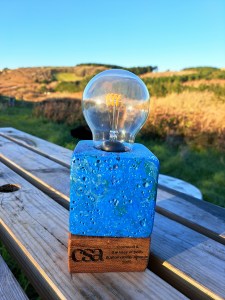
Our low light and noise policy maintains the integrity of the AGLV (Area of Great Landscape Value) and the wildlife habitats within. There is no permanent infrastructure for the campsite which may harm the flora and fauna. We provide sustainable firewood and charcoal for our guests on site. We encourage our guests to save water by limiting the amount they use, to use the recycling facilities including compost bin to minimise any food waste. The only lighting on site is low luminance and solar powered. Furniture is upcycled where possible and bat, bird, insect and small mammal boxes and hotels are made from waste wood, in the wider aim to contribute to a Circular Economy.
Health & Wellbeing
We encourage the positive health and the wellbeing of our guests by providing a quiet peaceful space designed to temporarily transport them from the stresses and strains of everyday life. Our latest initiative is a walkway through our Moor Meadow to spot wildlife, and are developing a site for a hide. We offer our chemical-free locally produced and home-grown vegetables and both wild and planted herbs to enhance their meals. We provide a mown path straight to the sea to encourage walking rather than driving to the beach and we are a South West Coast Path Waymaker. We have recently invited local community groups to become part of our living restoration and regenerative tourism story.

Circular Economy
We actively promote local independent businesses and services to our guests, helping to create a year-round thriving economy, community and a sustainable tourism hive, including low food miles for guests. This is achieved through our social media, blog and our App for guests pre arrival, as well as our personalised recommendations on sourcing food and other supplies – providing a bespoke and friendly service. We support environmental charities to continue important work at a local, national and global scale, in addition to fundraising for our local education providers. We donate excess vegetable produce to St Petrocs and the Trussell Trust and also donate hay to CHAT – Chy Lowen Alpacas Non Profit Therapy. Our aim is to ensure our suppliers are ethical, sustainable and local wherever possible. We are a member of the Coast Network, which provides the opportunity for an association of organisations and individuals committed to the successful development of sustainable tourism in Cornwall to exchange ideas, knowledge and expertise.
Carbon Reduction
We annually report our climate action plan to meet our SME Climate Hub and Glasgow Declaration targets by reducing our carbon footprint in our own home, on our farm and on our campsite and are always introducing new ideas, products and processes to improve our sustainability credentials. Due to our planting program, we have been and will, for the next three years at least, carbon neutral. Our Scope 3 emissions are a target area for long term improvements. We actively encourage public transport and walking where possible by having this information on hand for guests.
Our sustainability policy is designed to be fluid and dynamic, encouraging lifelong learning about how to contribute to a healthy planet and a sustainable global community. Our carbon plan will work to replace all fossil fuel energy use with renewables and we are working towards offsetting our guests travel footprint by a rolling program of native hedge replanting, tree planting and habitat creation.
Plant a Tree Scheme:

Higher Pendeen Camping: Ecology & Habitat Creation Plan
1. Vision & Objectives
To enhance the ecological richness of Higher Pendeen by integrating habitat creation, wildlife support, soil health, waterway protection, and carbon sequestration into the operational ethos of the campsite and working farm. This plan builds on existing regenerative practices to:
– Restore native biodiversity.
– Strengthen ecological corridors.
– Promote carbon-neutral tourism.
– Foster education and community stewardship.
2. Habitat Creation & Biodiversity Enhancements
A. Woodland Expansion & Management
- Target: Increase tree cover by 10% over five years.
- Actions:
– Continue coppicing efforts in Moor Meadow with staggered planting for age diversity.
– Introduce understorey planting (e.g., holly, hazel, spindle) to diversify structure and boost habitat complexity.
– Maintain deadwood piles for invertebrates, fungi, and small mammals. - Benefits: Enhances carbon capture, stabilises soil, supports bird and bat populations.
B. Wetland and Moor Field Enhancement
- Target: Strengthen the seasonal wetland as a wildlife corridor.
- Actions:
– Install small scrapes and shallow ponds for amphibians, dragonflies, and waders.
– Introduce native wetland plants (e.g., yellow flag iris, ragged robin).
– Create a low-impact boardwalk and bird hide for education and observation. - Benefits: Boosts species richness, filters runoff, supports carbon sequestration through peat-forming species.
C. Hedgerow Network Expansion
- Target: Complete a continuous mosaic of hedgerows across the farm.
- Actions:
– Replant gaps with native species (hawthorn, blackthorn, dog rose, hazel, field maple).
– Apply a traditional ‘laying’ management technique on older hedgerows. - Benefits: Provides shelter, food, and travel corridors for pollinators, birds, and bats.
D. Pollinator Gardens & Wildflower Meadows
- Target: Double the area of wildflower-rich habitat within 3 years.
- Actions:
– Sow native perennial wildflowers on campsite margins and communal spaces.
– Rotate “No Mow” zones and install educational signage about plant-insect relationships.
– Maintain bug hotels using recycled wood and allow self-seeding zones to regenerate naturally. - Benefits: Strengthens B-Line contributions, supports Buglife mission, enhances visual and ecological value.
3. Species-Specific Conservation Initiatives
Invertebrates
- Partner with Charity Partners on community campaigns.
- Install insect refugia (e.g., log piles, solitary bee nests, sandy scrapes).
- Create Hedgehog Hotels and Safer habitats.
- Create a seasonal nectar calendar through plantings.
Birds & Bats
- Expand nest box program for swallows, owls, robins, pipistrelle bats, and kestrels.
- Leave margins of crop fields undisturbed during nesting season.
- Integrate bat roosts into outbuildings using woodcrete boxes.
Amphibians & Reptiles
- Preserve existing drystone walls and create hibernacula (stone piles with soil/leaf litter).
- Manage damp shady habitats near ponds for newts, frogs, and slow worms.
4. Soil and Water Conservation
Runoff Management
- – Maintain grass buffer zones along streams and ditches.
– Introduce contour hedgerows and swales to slow water runoff from slopes.
– Continue to avoid artificial fertilisers and monitor nutrient runoff in partnership with the Environment Agency.
Compost & Natural Fertilisation
- – Scale up composting with guest participation (green waste + animal bedding).
– Encourage use of compost tea and fermented plant extract for vegetables.
5. Circular Economy Integration
- – Use local stone and waste timber for infrastructure like benches, signs, and wildlife features.
– Reuse polytunnel offcuts and fencing for new bug hotels and habitat barriers.
– Offer workshops to guests on making pollinator boxes or using compost.
6. Education & Engagement
- – Interpretive Signage: Along nature trails, describing species, habitats, and farm ecology.
– Nature Trail Passports: Kids and families complete wildlife-spotting activities for small rewards.
– Community Volunteer Days: Invite local groups to assist in planting, hedge laying, or wildlife surveys.
– Eco Stay Challenges: Encourage guests to participate in biodiversity counts, waste reduction goals, and low-impact cooking.
7. Monitoring & Evaluation
- – Biodiversity Audits: Annual survey of flora/fauna with local conservation partners or colleges.
– Visitor Logs: Wildlife sighting boards and digital logs via your guest App.
– Carbon Tracker: Monitor impact of tree planting and habitat restoration on carbon capture.
– Review Cycle: Update Ecology Plan every two years based on results, research, and new opportunities.
8. Partnerships & Outreach
- – Maintain partnerships with:
– Charity Partners (habitats and public education).
– South West Coast Path Association (sustainable travel and access).
– Local Schools and Environmental NGOs (habitat projects and workshops).
– Share success stories via blog, newsletter, and socials to inspire replication and transparency.
9. Timeline Summary (First 3 Years)
Year | Key Actions
2025 | Expand hedgerows, install first wetland scrape, add 10 nest boxes, start compost workshops
2026 | Launch pollinator garden program, begin woodland understorey planting, host first volunteer planting day
2027 | Open wildlife hide, double wildflower zones, measure biodiversity gains, publish first ecology report
This Ecology Plan builds on our existing sustainability efforts and aligns our regenerative vision with practical, measurable ecological benefits. It also gives guests a deeper, more meaningful experience—turning their stay into an act of conservation.
Charity Sponsor and Partners

This year, we are sponsoring Prickels and Paws Hedgehog Rescue. Hedgehogs are a really important member of our native ecosystem and are particularly useful little gardeners! We have recently seen an increase in hedgehogs on the farm (and campsite!) and want to do all we can to ensure their population grows and to support the rescue and rehabilitation of those in need. If you’d like to donate further to this fabulous charity, you can do so here.
‘Prickles and Paws is a registered charity that rescues, rehabilitates and releases native British hedgehogs. Admitting sick, injured and orphaned hedgehogs from across Cornwall and into Devon, the charity helps up to 1,400 hedgehogs a year. Hedgehogs come to us through members of the public, vets and the RSPCA, a dedicated advice line is also run.
Our Mission:
- To provide a service of rescue, emergency care, rehabilitation and release for native British hedgehogs in Cornwall and the Southwest.
- To inspire learning and conservation through improving the knowledge and understanding of hedgehogs for the general public.
- To continue research into wildlife care and rehabilitation to promote continued improvements.’

We are proud to be a South West Coast Path Way Maker friend, providing quality and affordable accommodation within one mile of the route.
Previous Charity Partner

Buglife is an amazing charity creating habitats and developing the conservation of all invertebrates, land, air, fresh water and sea.
Our sustainable farming methods and sustainable campsite align perfectly with BugLifes’ aims to halt the extinction of invertebrate species and to achieve sustainable populations.
Invertebrates and pollinators are vital to farming which is why we are so invested in providing and conserving habitats on our land.
The farm is also on a B-Line, which provides a network of habitats for these little guys.
- Download the PDF below on how you can make your garden or outdoor space invertebrate-friendly


Higher Pendeen Camping is serious about the climate emergency , which is why we’ve committed via @SMEClimateHub to halve emissions before 2030 and reach net zero emissions before 2050.

Higher Pendeen Camping is proud to be a signatory of the Glasgow Declaration on Climate Action in Tourism. As a signatory of the Glasgow Declaration, we commit to deliver plans aligned with the pathways to cut tourism emissions in half over the next decade and reach Net Zero emissions as soon as possible before 2050.
Higher Pendeen Camping commits to:
- Support the global commitment to halve emissions by 2030 and reach Net Zero as soon as possible before 2050;
- Deliver climate action plans within 12 months from becoming a signatory (or updating existing plans), and begin implementing them;
- Align plans with the five pathways of the Declaration (Measure, Decarbonise, Regenerate, Collaborate, Finance) to accelerate and co-ordinate climate action in tourism;
- Report publicly on an annual basis on progress against interim and long-term targets, as well as on actions being taken;
- Work in a collaborative spirit, sharing good practices and solutions, and disseminating information to encourage additional organisations to become signatories and supporting one another to reach targets as quickly as possible.